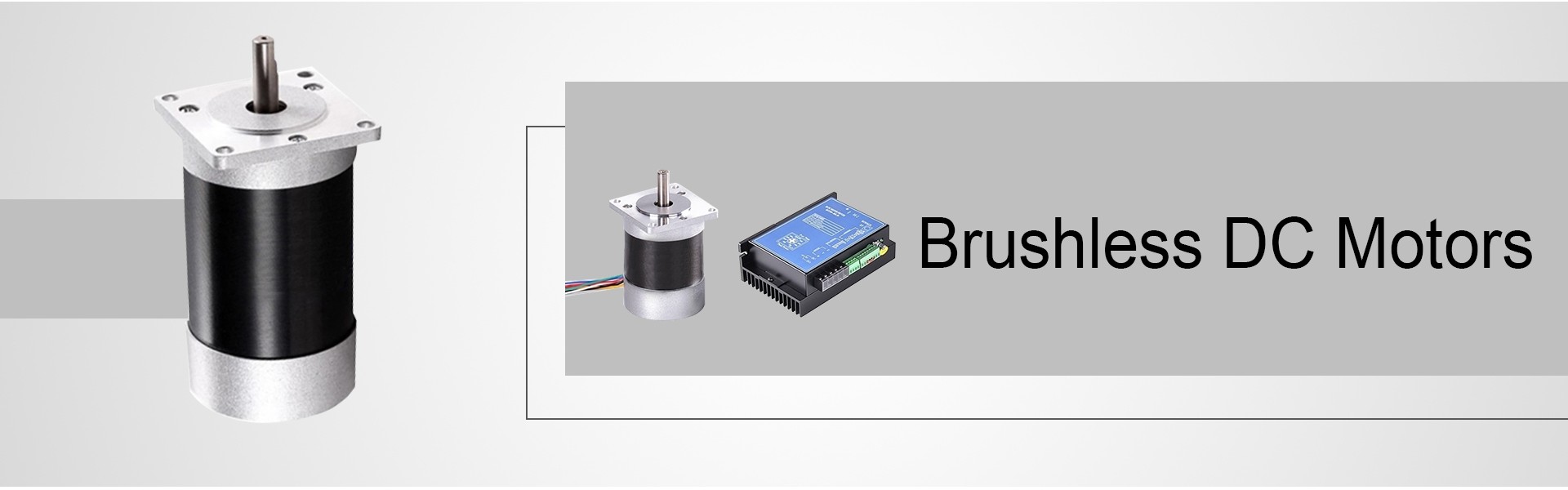

Modern electric drive systems often require motors that combine efficiency, speed control, compact construction, and dependable operation. Brushless DC motors meet these requirements in many applications by using electronic commutation instead of mechanical brushes. Because BLDC motors can be produced in different voltage ratings, frame sizes, and structural configurations, they can be adapted to a wide range of equipment.
Voltage selection is closely related to the overall electrical system. Depending on the equipment, a brushless DC motor may operate at 12V, 24V, 36V, 48V, 72V, or 96V. However, selecting the voltage is only the beginning. The motor's torque, RPM, power, current demand, duty cycle, and controller requirements must also correspond to the machine's actual operating conditions.
Mechanical and structural characteristics can then be used to narrow the options. Different NEMA frame sizes provide different installation and load capabilities, while outrunner and inrunner designs offer different combinations of speed and torque. Sensored and sensorless motors provide different feedback approaches, and frameless or waterproof brushless motors can address more specialized requirements.
The versatility of the BLDC motor category makes it suitable for numerous applications rather than a single market. Automation equipment, robotic systems, mobile platforms, drones, electric vehicles, pumps, fans, and industrial machinery can all require brushless motors, although the ideal specifications may differ. High torque may be important in one application, while compact dimensions, high RPM, efficiency, or environmental protection may be more important in another.
Engineers should therefore evaluate the complete motor specification before making a selection. A combination of voltage, torque, speed, frame size, construction, feedback, environmental protection, and controller compatibility provides a clearer picture of whether a particular brushless DC motor is suitable for the intended system.
Crop your avatar